


Traffic, Protests, and Costs: 61% of Mexicans Concerned About FIFA 2026 – Here’s How Canada and the U.S. Compare
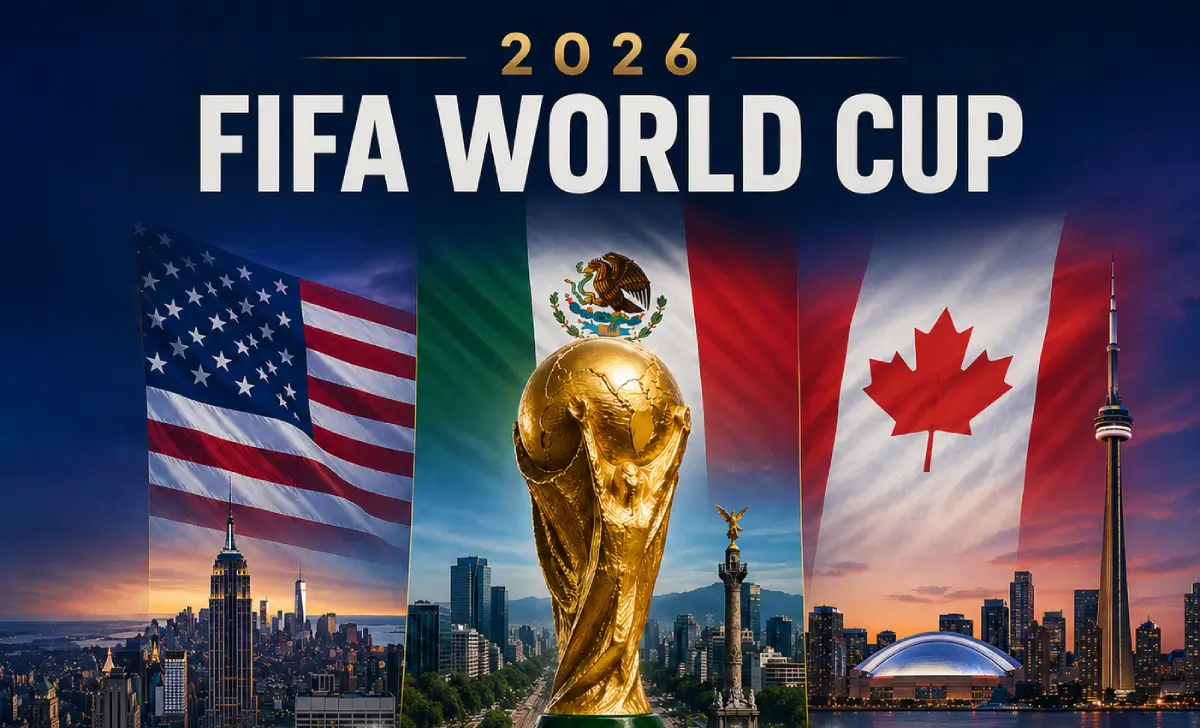


The FIFA World Cup 2026, the biggest sports event of the year, is just a month away, and the host countries are ready to welcome millions worldwide. Or at least that’s what we want to believe.
Based on the research from Nostrabet.com, the public opinion in the three host countries – the USA, Canada and Mexico reveals mixed emotions. On the one hand, you have a lot of excitement, but that’s just a part of the equation. Many residents in the three host countries are openly sharing their concerns as a result of hosting soccer’s biggest event.
We found a very interesting report by the Lager and Brain Market Research that shows how people in the three countries feel about everything. It seems like there are a lot more concerns than people think, so it’s time to learn more.
Public Anxiety Over Taxpayer Spending
Considering that the World Cup is the biggest and most important soccer event, it costs a lot of money. As reported before, Qatar spent more than $220 BILLION on the last event, which is a jaw-dropping amount for everyone. Even though this year’s competition won’t be that pricey, people are still anxious about it.
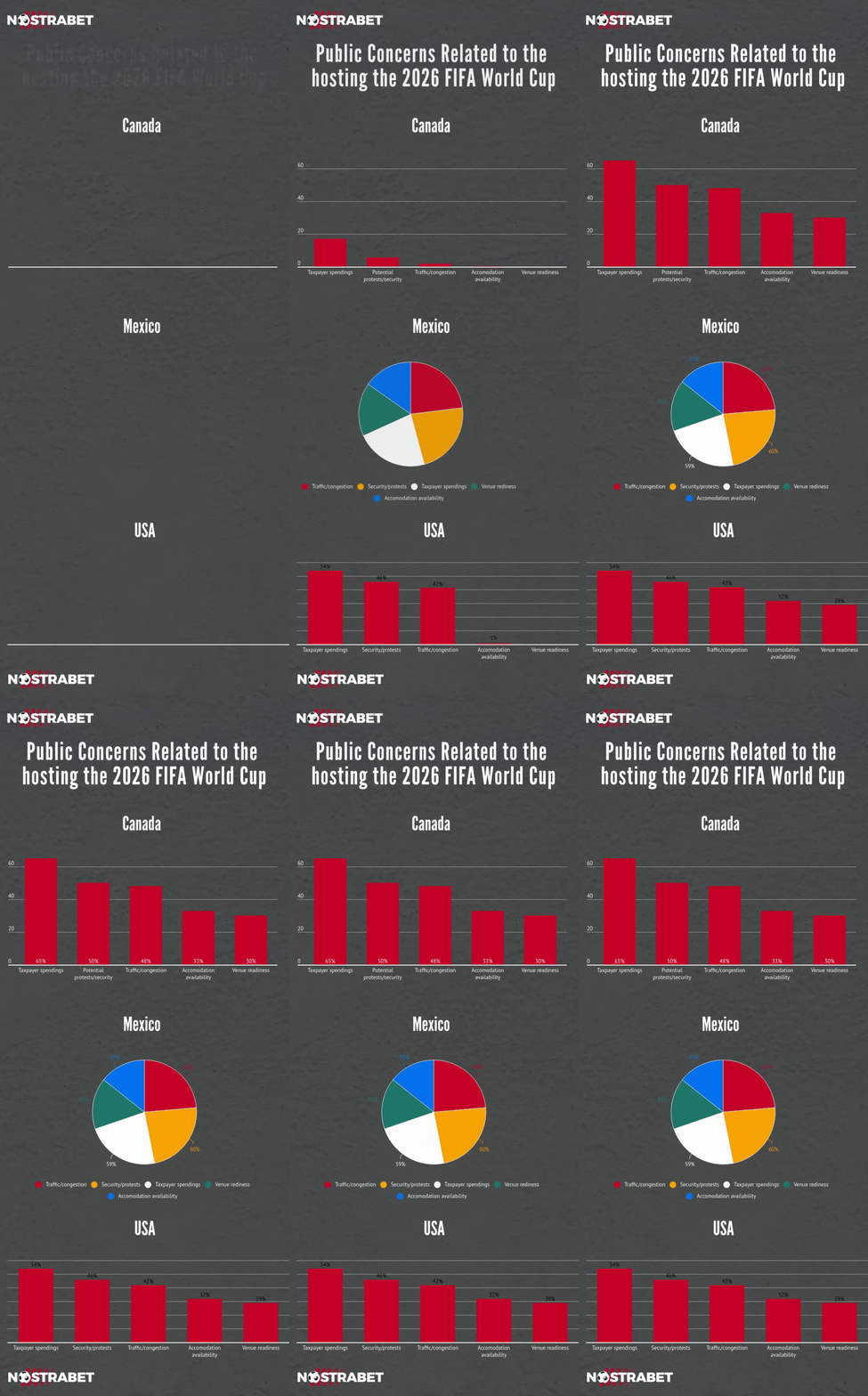
According to the study, 65% of Canadians said they were worried about how public money is being spent on the World Cup. The percentage drops down to 59% in Mexico and 54% in the U.S.
Hosting such a mega event carries real financial implications, so it’s not surprising some people are anxious. The host nations had to upgrade stadiums, improve security and provide enough accommodation for youists.
Canada is in the worst position when it comes to these things. It has the highest percentage of people who are anxious about it, so it’s no surprise that this sentiment is gaining political traction. Many provinces had to deal with criticism from taxpayers due to how they were using the funding.
People in the U.S. have always been divided when it comes to how the government spends money, and this event is no exception. A little over half of the people who took part in the survey are worried about that.
Security and Protests – A Shared Concern
The second major concern across three countries is security and protests. According to the stats, around 50% of Canadians identify this as a potential concern, and 46% of Americans think the same. As for Mexico, 60% of the people express worry about that issue, which is the highest here.
To be fair, security concerns for such a big event are not unusual. Every single country where the World Cup has been held before invested jaw-dropping sums to ensure players’ safety. The three host countries this year are no exception.
Most people will agree that security is a bigger issue in Mexico and the U.S. Mexico has grappled with social unrest related to labor rights and other issues. The country has also had its fair share of cartel problems in the last year or so, which adds to the overall concerns.
Overall, the three host countries will need to step up their game to ensure everything is in order.
Traffic and Transit Congestion – A Headache in North America
We can all agree that traffic is a huge problem in almost all parts of the world, and North America is definitely no exception. Hosting an event like the World Cup means that millions of people will travel to the specific countries to watch the games. As a result, the traffic will be much more congested than usual, and this will create issues.
A quick look at the study shows that 48% of Canadians believe that traffic will be a problem. Only 42% of Americans share the same opinion, whereas Mexico is in the lead with 61%. These results may not surprise many of you because traffic is horrendous in all of the big cities in Mexico.
To be fair, traffic is also bad in all of the major cities across Canada and the USA. With that said, the latter has one of the most advanced “car cultures” in the world, so it’s not surprising that most people don’t think this is an issue.
Mexico City will probably be chaotic because it’s one of the most populous urban centers. The congestion there is a daily issue, so adding millions of international visitors will make logistics even harder.
Some People Worry About the Tourism Infrastructure
The biggest advantage of hosting the World Cup is that the countries welcome millions of tourists from around the world. This translates into billions of dollars for the respective countries’ economies. What this also means, however, is that the hosts have to make sure they have the needed infrastructure.
Considering all of that, 33% of Canadians are actually concerned about the availability and cost of accommodation for tourists. The same percentage applies to the U.S., whereas Mexico is leading the pack once again with 37%.
The accommodations for World Cup spectators are more than just a matter of comfort. Host countries must ensure sufficient availability, as a limited supply can lead to high hotel prices. If that happens, the experience for visitors won’t be that good, and it could even have an impact on local residents and their rent.
Mexico is once again in the most difficult position here. Tourism has a significant impact on the local economy, heightening concerns about housing affordability and infrastructure. A lot of locals fear that their rent could go up, or they may even be displaced because of the millions of people who will arrive.
Venue Readiness
The next major concern affecting more than one-third of people in host countries is related to venues. It seems like a fairly large percentage of people are worried about whether their infrastructure will be advanced enough.
30% of Canadians and 29% of Americans said they were worried about whether venues were ready on time. 41% of Mexicans express concern about the same issue, and this is the highest among the three.
Considering we are just a month away from the tournament, the majority of the venue upgrades are pretty much done. Any of the remaining construction is mostly focused on interior amenities and final safety checks. In other words, Canada, the U.S. and Mexico are ready to accept the millions of fans.
To be fair, the percentage in this category is low because all three countries have excellent soccer infrastructure. This used to be a much bigger problem in other countries, like Qatar and South Africa. In fact, a part of the reason why Qatar spent billions of dollars
Long-Term Economic and Social Impact on Host Communities
Outside the immediate concerns of traffic, security, and public spending, many residents across these nations are questioning what will happen once the tournament is over. This is a legitimate question because some countries have had issues after that.
One of the major concerns is whether the investments made today will continue to benefit local communities years from now. Upgraded stadiums, transportation systems, and tourist facilities can improve citizens’ everyday lives, but some projects may become obsolete. In Qatar, for example, local governments had to literally dismantle some of the stadiums they built for the World Cup 4 years ago.
Another big issue is the impact on local businesses and residents during the preparation period. Construction projects, road closures and increased tourism can disrupt everyday life. Sure, some businesses will benefit immensely, but others will struggle for months to come.
Lastly, we also have concerns regarding the economic benefits and whether they would be distributed fairly. Many of the large corporations and chains will usually get the majority of funds, so residents are worried that ordinary taxpayers will not experience the same financial rewards.
It will be interesting to see whether the host countries actually make money after the 2026 World Cup. Using the Qatar example again, the Middle Eastern countries did not recover the funds they used for the competition.
So, What Does Each Country Fear the Most?
After a detailed overview of the survey, we want to sum up the things that each country fears the most.
Canada is as follows:
- Use of taxpayer funds (65%)
- Potential protests/security (50%)
- Traffic/congestion (48%)
- Accommodation availability (33%)
- Venue readiness (30%)
Mexicans are most afraid of the following:
- Traffic/congestion (61%)
- Security/protests (60%)
- Taxpayer spending (59%)
- Accommodation availability (37%)
Lastly, we have the USA, where people seem to fear these things the most:
- Taxpayer spending (54%)
- Security/protests (46%)
- Traffic/congestion (42%)
- Accommodation availability (32%)
- Venue readiness (29%)
All of these stats prove that host country residents are not blindly enthusiastic about the event. Many remain excited about what is to come, but a significant portion of the population has concerns about their everyday lives.
The key takeaway is that economic anxiety and insecurity are universal. People from all parts of the world who have to host big events are also worried about the infrastructure pressure and whether they can provide tourists with a good experience.
No comments added yet. Be the first!