


Why Most People WON’T Bet on the 2026 World Cup – And Why That Might Be a Mistake
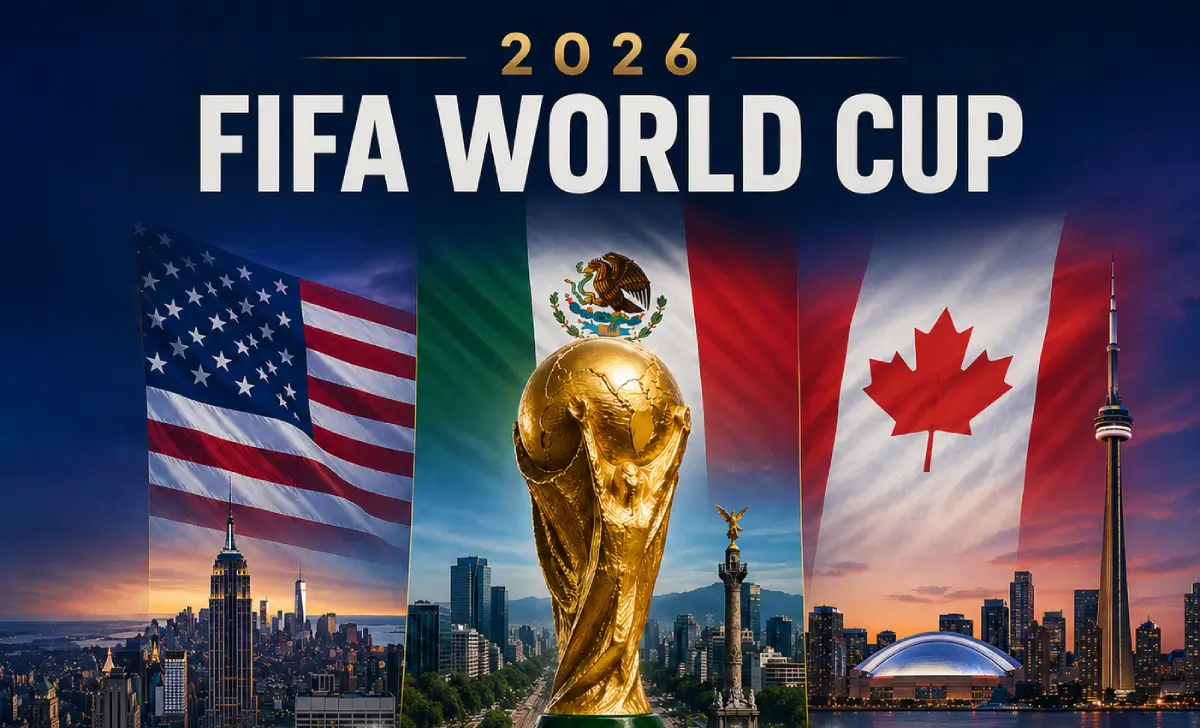


There is no arguing that the 2026 FIFA World Cup is set to be the largest and most commercially significant football competition ever. The new format that features 48 teams definitely makes the event interesting, including for people who want to bet.
Speaking of betters, Nostrabet.com’s team and I found out that most people are actually not interested in wagering on it. In the U.S., one of the host nations, 49% have responded that they are very unlikely to place a bet. This is very surprising, considering the massive viewership and popularity.
It was very interesting to dive deep into the situation and see why most people are actually not going to bet. Personally, I think that it could be a mistake, so let’s reveal more information about everything.
World Cup 2026 Betting Statistics – A Surprising Result
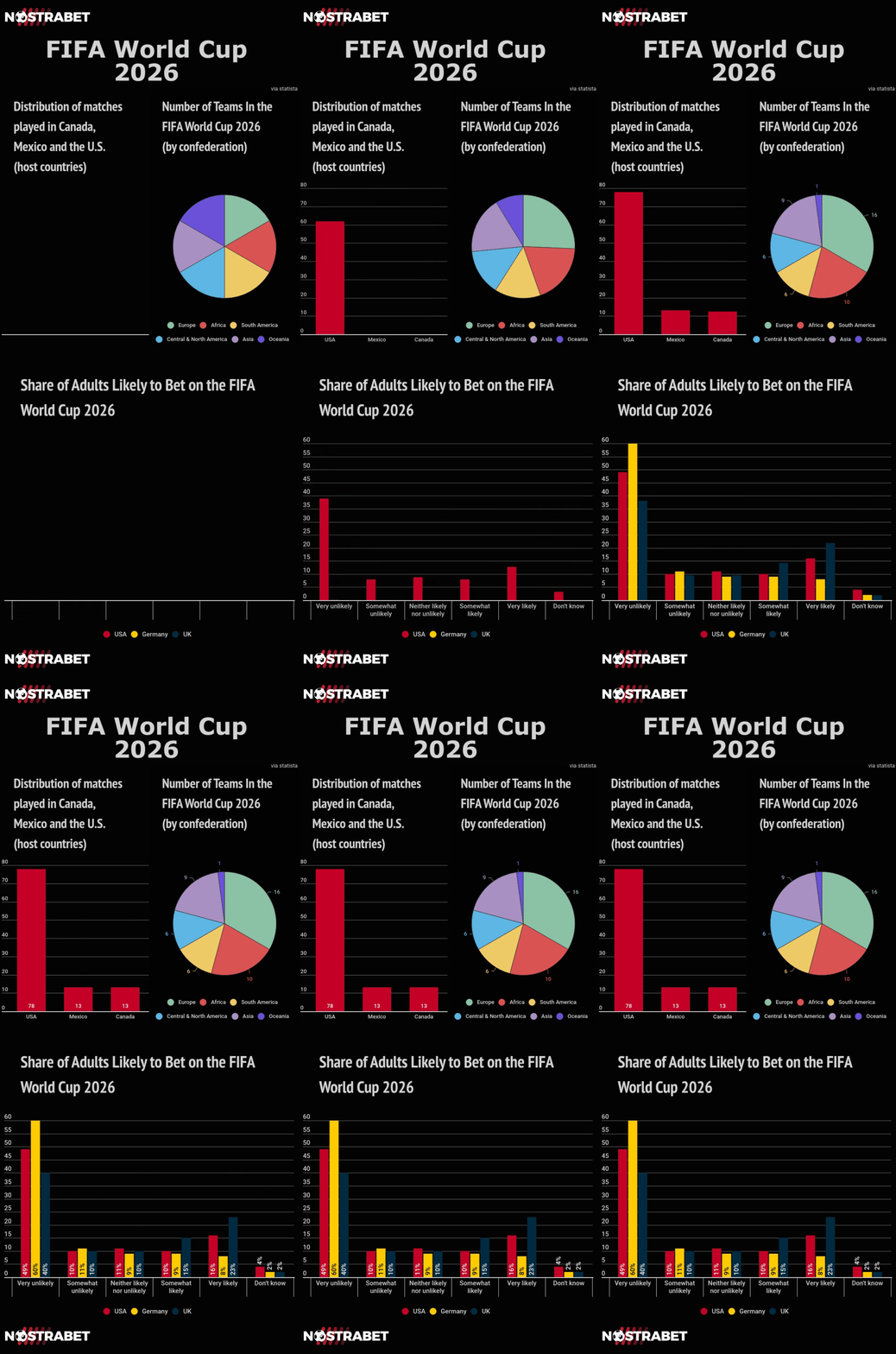
I want to jump straight into the most recent Statista study on the 2026 FIFA World Cup. It seems like a majority of adults in some of the most important betting markets are not interested in betting on the event.
Overall, most people in these countries are leaning against betting. Even in the UK, which has the most betting-friendly market out of these three, it has low results. It seems like this is a clear behavior trend.
Germany
Starting with Germany, around 60% have answered that they are very unlikely to place bets. 11% responded that they are somewhat unlikely, 9% said they are neutral, and 9% answered that they are somewhat likely. Only 8% believe that they are very likely to place bets, and 2% said they do not know.
To be fair, Germany is NOT the most “pro-betting” country in Europe. Despite its huge market, sports betting is not as prevalent there as in other places. That’s why it seems like most are just interested in watching the event.
United States
The world’s largest sports betting market is also one of World Cup 2026’s host nations. As said, 49% of Americans said they are very unlikely to place bets, and 10% are somewhat unlikely. 11% answered that they are neutral, and 10% are somewhat likely. Lastly, we have 16% of people who are very likely to do it and 4% who don’t know.
As you can see, the percentage of people who say they’re going to bet is double compared to Germany. There are many reasons for these stats, such as the fact that legal sports betting is (kind of) new in some states. Also, Americans usually like placing bets on the more important tournaments.
Bear in mind that we’ll see a total of 78 matches in the US. For comparison, Mexico and Canada (the other hosts) will each get only 13.
United Kingdom
The UK is the last country in the study, and it’s another crucial market for football betting. Despite being the largest in Europe, 40% say they are very unlikely to wager on the FIFA 2026 World Cup. 10% say they are somewhat unlikely or are neutral, and 15% answered that they are somewhat likely. Lastly, 23% of Brits responded that they are very likely to place bets. 2% of the people said they do not know.
The UK has one of the largest and oldest betting markets in the world, so it’s no surprise that people here are more open to placing bets.
Why Most People Won’t Bet on the 2026 World Cup?
Now that we have the stats, it’s time to dive a little deeper to see why most people aren’t willing to bet on the 2026 World Cup.
The Perception of Unpredictability
Let’s face it, the big reason why most people will avoid betting on the World Cup is because of its unpredictability. Most people are just not willing to take the risk and prefer to stay in the backlines.
Generally speaking, international football (especially events like this) is trickier to predict. Players have limited time together, and the tactical systems are less refined. As a result, it’s easy to have a series of bad results, and they can send a favorite home early.
The opposite is also true – it’s very common to see underdogs perform exceptionally well. Morocco, for example, reached the semifinals in 2022, whereas Croatia even got to the final in 2018. A lot of casual fans are just not interested in “rolling the dice” in these kinds of competitions.
The New Format May Feel Overwhelming
Another reason why some people will avoid betting on the FIFA World Cup 2026 is the new format. Since there will be 48 teams instead of 32, there will be more matches and unfamiliar teams. Personally, I think this creates even more opportunities, but it seems like most people are not interested in giving it a go.
Speaking of the new format, each region has more representatives than usual. Europe comes first with 16, followed by Africa with 10, Central & North America and South America with 6, and Oceania with 1.
Emotional Risk
Lastly, some bettors will avoid the FIFA World Cup 2026 because the event is simply too emotional. Things like last-minute goals, VAR decisions and penalty shootouts are not uncommon, and people definitely do not want to lose like that. As a result, most prefer to stay in the backlines and enjoy the show without getting involved.
Why Avoiding the 2026 FIFA World Cup Might be a Mistake
The stats do not like – most people in some countries will simply not bet on the FIFA World Cup 2026. Even though there are valid reasons why they won’t do it, personally, I think this could be a mistake. The same factors that discourage casual bettors often create inefficiency, and this is where you can find value. Let’s analyze some of the aspects most people don’t consider.
Low Participation Creates Softer Markets & Favorites are Overpriced
When you decide to bet on a domestic football league, chances are tons of other people are doing it. The fact that the market is very active means that the odds are efficient and shaped by large volumes of informed bettors. Once that participation is established, however, the odds rely more on public perceptions. What this means is that there is more room for mistakes in the market, and this can create opportunities.
Another aspect to consider is that public money tends to flow toward the well-known teams. This is not necessarily a bad idea, but it creates a pattern where high-profile teams have shorter odds. These odds don’t always reflect the true probability, however, because they usually reflect demand. For example, betting on countries like Brazil and Argentina will often have “premium” pricing because they attract attention.
More Matches = More Opportunities
Another reason for not betting on the FIFA World Cup 2026 could be a mistake related to the format itself. Yes, it can be a bit overwhelming, but having access to more matches means there will be more opportunities.
The event will feature over 100 games, so there should be plenty of options to pick from. The competition averages around 2.5 to 3.0 goals per game, and this creates a stable pattern for markets like Both Teams to Score, Handicap Betting, and Over/Under.
A lot of people seem to focus on only predicting the tournament’s winner. Even though the odds can be good, the group stage itself provides a load of opportunities. Keep track of everything that’s happening, and you may end up finding good options.
2026 World Cup Betting Trends
Before deciding whether to wager on the 2026 FIFA World Cup or not, you should know that data is your friend. If you only follow the media, you will see that it focuses on star players and the different host nations’ advantages. Once you start diving deep into a lot of data, however, you will see the betting success depends on things like recent form, squad depth and tactical systems.
Generally speaking, the teams that perform well in the World Cup are those that concede fewer goals and maintain a strong defensive culture. Attacking talent will always get headlines, but this is not the most important characteristic.
Another FIFA World Cup 2026 betting trend I want to address is related to live betting. Since there will be more matches, following them in real-time can give you a lot more betting opportunities. Things like momentum shifts, tactical adjustments and player substitutions can create pricing discrepancies that were not present before the game started. Just make sure to find a place that lets you watch the matches, because it’s very unlikely that betting platforms will broadcast these games.
How to Approach World Cup Betting Strategically
There is more than one month left until the beginning of one of the most important football tournaments in the world. Those of you determined to bet on the 2026 FIFA World Cup have enough time to come up with a strategy and stick to it once the event begins. As someone who’s been doing this for years, I want to share a few tips that I believe will help.
- Focus on Value, Not Popularity – I think it’s best to avoid betting on reputation alone. While important, your goal should be to find real value.
- Target Individual Matches – I believe that betting on match-specific markets is better than wagering on tournament winners. You can almost always find better odds.
- Analyze Tactical Matches – Take the time to learn more about the teams’ matches and how they play. Playing styles matter a lot more than rankings.
- Manage Risk Carefully – Lastly, I think you should set limits and avoid emotional decisions. Learning how to manage your risk is essential if you want to bet long-term.
Conclusion
Despite the fact that most people are reluctant to bet on the FIFA World Cup 2026, it may not be such a bad idea to give it a try. Those who know what to look for will come across a lot of options that won’t be available to others. It all comes down to you and whether you are willing to put in the work and do proper research.
No comments added yet. Be the first!