

New Zealand iGaming Regulation 2026 – Online Casino Licensing & Future of the Market
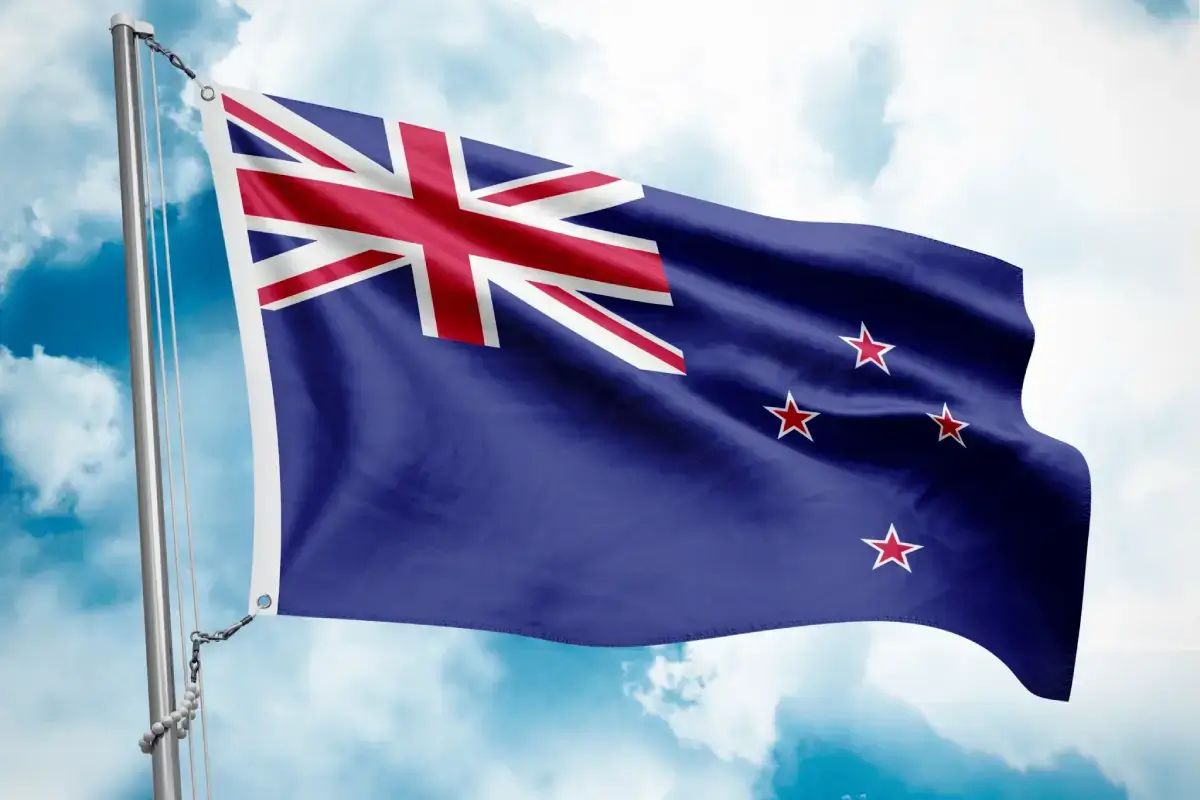


While most countries around the world are looking to regulate or restrict the iGaming industry, New Zealand is different. The country is undergoing one of the most significant changes to its regulatory framework, introducing a dedicated regulatory system for online casino games.
We at Nostrabet.com found out that the Online Casino Gambling Act 2026 establishes a licensing regime for online casino operators. These are the rules that sites must follow to operate legally in the local market. The new framework has a special licensing model, stronger regulatory oversight, and advertising restrictions.
The big reason why local regulators decided to make these changes is because of the big offshore gambling scene. Locals had access to numerous sites that paid no taxes, so the new legislation aims to bring these activities under regulation. Let’s learn more about everything and the current state.
Why New Zealand Changed Its Online Casino Gambling Rules

Prior to these changes, NZ did not have a licensing system for online casino operators. The Gambling Act 2003 regulated various gambling activities but had no impact on iGaming. Many international operators exploited that loophole and offered their services to local clients without needing a permit.
It seems like the government identified several areas where the new system could improve oversight. People believe that it adds additional consumer protection, more responsible gambling features, and operator accountability. The new gambling rules will also have enforcement against illegal activity, and all operators will have to pay taxes.
Overall, the introduction of the Online Casino Gambling Act 2026 establishes a new system in which operators must obtain approval before operating in New Zealand. It works very differently from what you may find elsewhere, but more about it in a bit.
Online Casino Gambling Act 2026 – The Foundation of the New Market
The new Online Casino Gambling Act 2026 came into force on May 1, 2026. The Department of International Affairs is responsible for implementing the new regime, which includes several notable changes.
Basically, online casino operators wishing to operate in NZ need to obtain a license from the authorities. These sites have specific advertising restrictions they must follow. Moreover, operators have to meet specific regulatory and compliance requirements. The government also has the right to enforce different compliance and monitor the operators’ activities.
Another interesting fact is that New Zealand will only offer 15 online casino licenses. This is a very different approach from most places, where you can find multiple iGaming operators. Each license will apply to one casino brand and will be valid for three years. Also, the operator can renew it for another period under the regulatory framework.
It’s also important to know that a single entity can’t have more than three licenses. The idea behind it is that there is no market concentration by a single company in the industry. This should make the entire New Zealand iGaming market much more competitive than before.
How the New Zealand Online Casino Licensing Process Works
Unless regulators change anything, the licensing system follows a three-stage process managed by the Department of Internal Affairs. Stage 1 is when a company must express its interest by submitting specific documents. All applicants must provide information on suitability, ownership structure, financial capability, and ability to comply with regulatory obligations.
Once stage 2 begins, it’s time to begin the competitive auction process. Taking part in the action does not grant an online casino license, as the goal is to issue licenses to companies that fully meet regulatory requirements.
At stage 3, all successful applicants can submit a formal license application. This will require operators to demonstrate their ability to meet New Zealand’s regulatory standards. This includes areas such as financial capability, business operations, consumer protection systems, responsible gambling measures, and advertising procedures.
Winning the action alone does not mean that a given operator will obtain the license. The Department of Internal Affairs in NZ must assess whether applications meet all the standards.
As for the timeline, the competitive action stage started this September. October 2026 will see the license application stage, followed by operational restrictions in December. People will have to wait until 2026 for the licensed online casino market to become fully established in NZ.
What Will Happen to the Existing Offshore Online Casino Operators?
There is no arguing that the transition period is one of the most important elements of this reform. Existing operators in NZ have to adapt to the changes and ensure they follow the rules. In fact, companies have until December 1, 2026, to apply for a license and go through the process. Failing to do so means they must cease providing online casino gambling services in NZ.
An interesting fact is that operators who have submitted license applications and whose applications remain under consideration can continue working after the period. Keep in mind that the legislation is highly dynamic because NZ is transitioning the market from an offshore model to a new regulated licensing system.
Advertising Restrictions and the Impact on iGaming Affiliates
Advertising is among the areas where New Zealand has made many changes with the new legislation. The Online Casino Gambling Act introduces different restrictions on the advertising of unlicensed online casinos. The idea behind the rules is to ensure that operators promoting their services in NZ comply with the regulated framework.
An interesting fact is that the new rules don’t only apply to online casinos. They also impact affiliate sites, casino comparison platforms, gambling media publishers, marketing agencies, and even influencer partnerships. Affiliates, in particular, need to be very careful and double-check everything.
All publishers working with online casinos also need to consider whether the operators hold the required authorization. They also need to check if the marketing activities comply with NZ’s advertising rules. Most people expect partnerships with approved operators to become increasingly important for publishers targeting NZ users.
Responsible Gambling and Consumer Protection Requirements
One of the key components of New Zealand’s new regulatory system is consumer protection. All licensed casino operators have to implement special systems to reduce the gambling-related harm. The requirements include addressing underage gambling, adding responsible gambling tools, and implementing consumer protection measures. Companies also need to be able to handle complaints and have proper operational monitoring.
All of these rules follow a broader international trend. Many other countries around the world have increased the consumer protection requirements that sites must follow. This is not surprising because the latest data shows there is an increasing number of people who have gambling-related issues.
Tax and Financial Obligations for Licensed Operators
All online casinos in NZ that comply with the new framework also have distinct financial obligations. They will have to contribute financially as part of the regulated market structure. Moreover, these sites have obligations related to the gambling taxation and regulatory costs.
The introduction of these requirements reflects the government’s objective of ensuring that operators benefiting from the local market actually contribute to the regulatory systems. This means that all sites must understand the financial requirements and decide if it is worth it for them.
The Opportunities for International iGaming Companies
Some of the offshore gambling operators in NZ are definitely not happy with the new changes. However, the introduction of licensing creates opportunities for established international companies.
Having a regulated market gives these sites legal certainty. The operators have a clearer regulatory position when working in New Zealand. You also have more consumer trust because the licensing system allows consumers to identify operators that have passed the assessment.
Last but not least, the new market also gives more opportunities for tech providers. The new market may create demand for payment solutions, casino platforms, responsible gambling tools, and compliance services. All brands with experience operating in regulated jurisdictions can benefit from that.
The Challenges for Operators Entering New Zealand
The new regulated market offers many advantages, but market entry for new companies will pose significant challenges. For starters, the fact that there will be only 15 licenses makes the competition much more intense. Operators wishing to work in NZ must demonstrate their financial strength, tech capabilities, and infrastructure. In other words, most smaller brands will struggle to compete with the big names.
It’s important to acknowledge that New Zealand’s regulatory changes reflect a wider global trend toward structured online gambling markets. Many countries moved away from relying on offshore operators and introduced licensing systems. New Zealand’s approach is similar but also has its own specifics, including strong compliance requirements, a limited number of licenses, and advertising restrictions.
It will definitely be interesting to see what the market will look like once everything is ready. Unless something changes, everything should come into place in 2027. Considering all of the requirements, we expect to see all of the big names operating in this part of the world.
No comments added yet. Be the first!