


Albania to Legalize iGaming, Brazil Bans Several Gambling Sites, Facebook Helped Malaysian Authorities Against Illegal Gambling & More Weekly iGaming News

The weekly iGaming news roundup is back with yet another highlight of the hottest news from the week. The middle of August is not the most active time of the year, but there were several stories that deserved covering. As a result, the Nostrabet.com team and I decided to share everything you need to know about them.
78% of all Gambling Revenue in Lithuania Came from Remote Gambling
The Lithuanian authorities decided to release more details about the country’s gambling industry. Based on the most recent stats, the total gross gaming revenue increased by 16.81% from last year, and it’s mainly because of remote operators. They are responsible for 78% of the revenue, or 119.9M EUR.
The total GGR reached around 153.6M EUR between January and June 2026. This is a big increase from last year, when the numbers showed 131.5M EUR.
An interesting fact is that remote gambling operators contributed around 25% more last year. Needless to say, classic brick-and-mortar venues are slightly less popular than before, as their GGR is down 5%.
The lottery segment is also on the rise after it marked an 8.6% increase. The prizes it paid out also increased by 10.5%, reaching 49.29M.
Lastly, the report revealed that tax revenue from the gambling sector increased by 11.4% to 46.43M EUR. 30.67M EUR out of that amount came from casinos and other gambling organizers.
All in all, Lithuania is an interesting jurisdiction when it comes to gambling, and it’s one of the places where iGaming is on the rise. It will be interesting to see the next report once 2026 comes to an end.
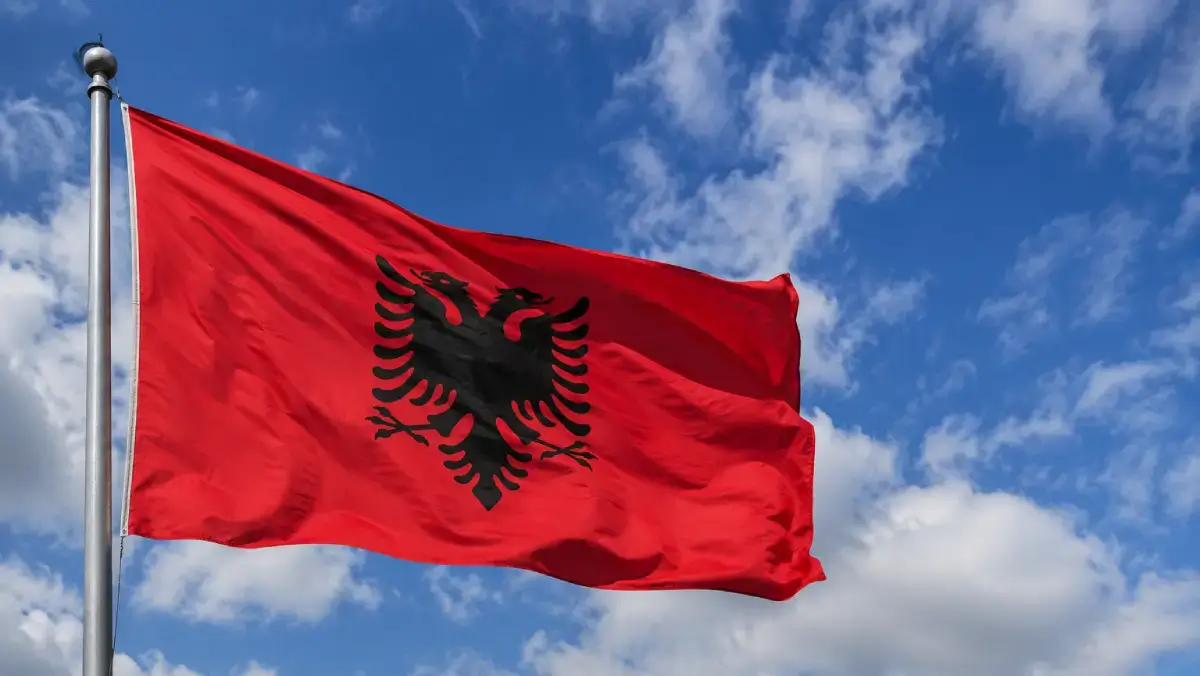
Albania is Preparing to Legalize Sports Betting
Albania is one of the few countries in Eastern Europe that decided to ban sports betting several years ago. It seems the decision was not the best idea, as seven years later, it failed to eliminate sports betting. As a result, Albania is slowly preparing to issue licenses to 10 online operators.
The ban came into power in 2019, when Albania decided to ban sports betting, slot halls and online gambling. However, some studies reveal that illegal gambling GGR reached 125M last year, and it seems like this caused the government to change its mind.
In July, Albania’s current government announced that it is working on a new gambling framework that will allow sports betting. Once ready, the country should welcome as many as 10 operators. To be fair, the new regulations have been “cooking” for some time now, since the first information about them came in 2022.
There are still many questions about the new framework, but some information is available. Players who wish to use a licensed operator must sign in with their ID card. Cash betting will be prohibited, and all payments must go through licensed providers or a bank in the country.
Operators must also monitor all transactions and keep players’ records for at least 3 years. We will also have a special self-exclusion register, and family members will be able to “ban” someone from gambling.
14 Licensed Betting Sites in Brazil WIll Have their License Suspended
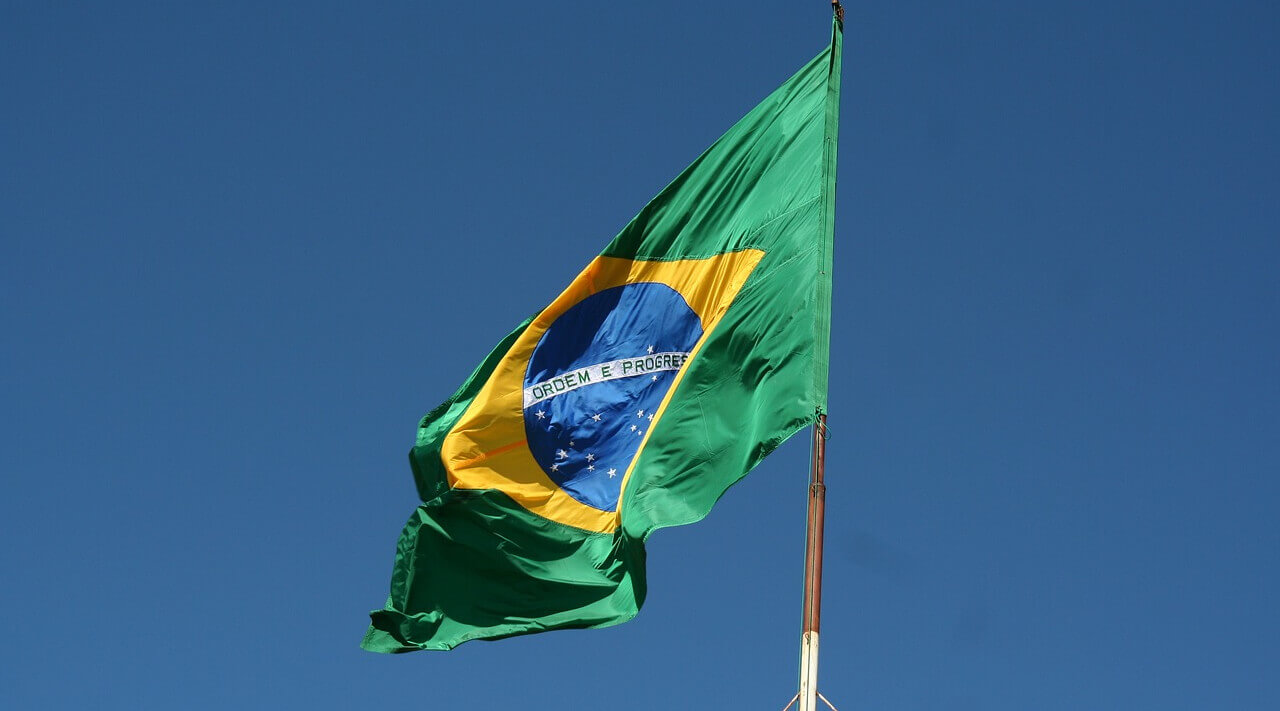
The Secretariat of Prizes and Bets decided to take drastic measures against some regulated betting sites. The organization ordered the suspension of their betting licenses, meaning these sites won’t be able to operate in the country. Everything led up to this point, following an administrative sanctioning process that began in August 2025.
Based on the investigation, the biggest offense of all these sites is the failure to send information to the betting management system. This is Brazil’s system for monitoring betting volumes, GGR, and compliance with various rules. Outside of that, these operators had issues implementing effective mechanisms to control and monitor users’ behavior.
These sanctions are pretty harsh, and it shows that the Brazilian authorities are not messing around. It will be a signal for all other iGaming companies that they need to comply with the regulations.
The National Gambling Board of South Africa Issued a Warning
South Africa seems to be in a difficult position due to a rising unemployment rate. As a result, the National Gambling Board issued a warning against using betting to fix financial problems. The regulator stated that people should be very careful when playing.
All of this comes at a time when the official unemployment rate is 33.6% (previously 32.7%). Considering this high percentage, there is a huge risk regarding the South African youth. As a result, the NGB decided to step in and warn these people that betting won’t fix their situation.
An interesting fact is that around 54% of gamblers use their betting winnings to purchase basic household items. Another 43% use these profits to cover debts or other bills.
The Government in Australia has Introduced Changes to its Gambling Reform Bill
Surprisingly, the Australian government introduced last-minute amendments to its gambling reform bill. The new legislation aims to establish a national register that will allow people to “opt out” of receiving various gambling promotions.
This is a new initiative that will be added alongside the triple lock system that operators must display when showing different promotions. Users will have to log in, complete age verification, and will have the option to opt out of certain gambling advertising. What’s also interesting is that some of the country’s streaming services will be subject to the same advertising restrictions.
Australia is making massive changes to its gambling legislation, and it will be interesting to see the final results once everything is done. It became one of the first countries in the world to ban public gambling ads. As we can see, local regulators are trying to improve the situation even more.
The Gambling Commission Fined an Operator with 609K GBP Over AML Failures
The UK’s Gambling Commission and QuinnBet Limited, a company registered in Gibraltar, agreed on a settlement. According to it, the company has to pay around GBP 609K for failing to comply with anti-money laundering rules. It seems like the site also lacked in the social responsibility controls.
The entire fine will go straight into the Consolidated Fund, which the government uses towards public expenditure. In terms of the offenses, it seems like the site did not have the proper tools to act when it was needed to mitigate the risk posed by customers who were spending too much,
The Gambling Commission has been cracking down on AML in the last couple of months. It seems the UK authorities are looking for ways to ensure all sites follow the rules.
One in 10 Gambling Accounts in the Netherlands is from an 18-year-old who Signed Up on their Birthday
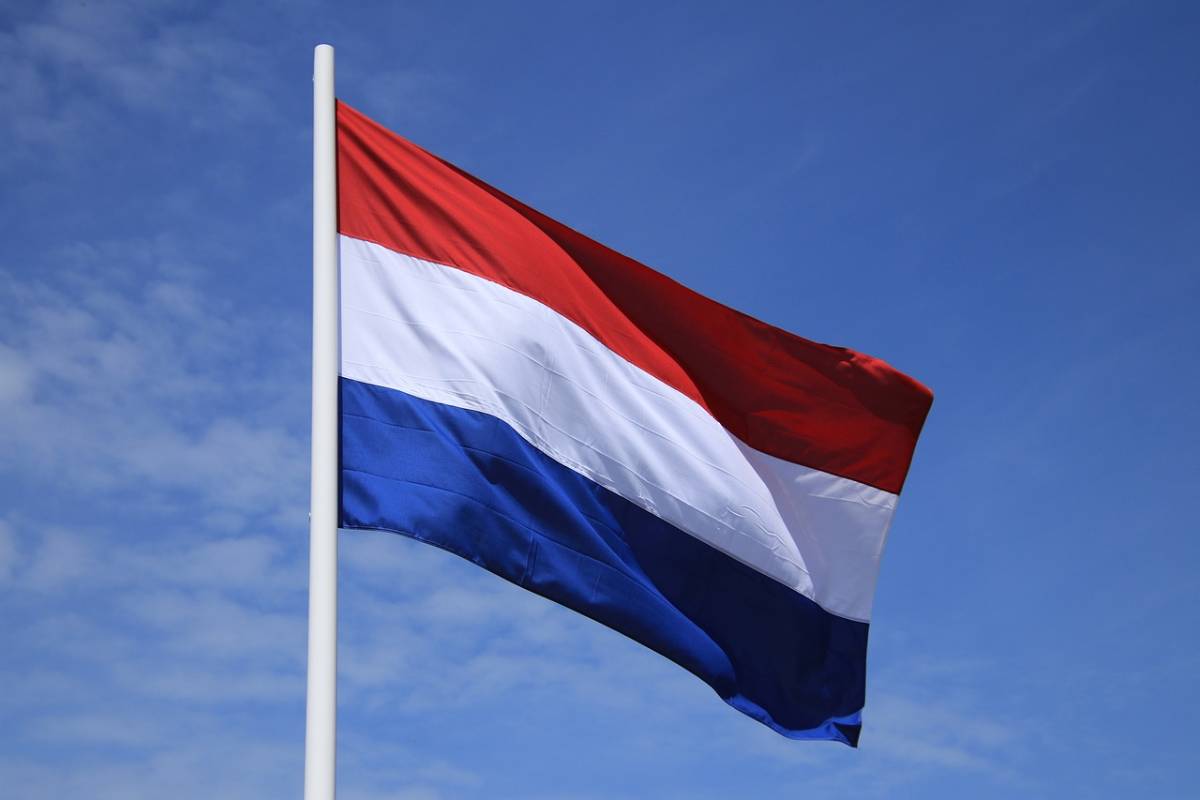
The Dutch Gaming Authority decided to release an interesting study where it became clear that every one in 10 gambling accounts in the country belongs to an 18-year-old person who was basically waiting to reach the legal age and sign up. The data was gathered during an analysis between May 1-7, 2025.
It became clear that 33% of all new accounts belonged to people aged 18 to 24. 41% of these accounts belonged to individuals who had just turned 18. It seems like there was also an increase in the number of people who signed up on or shortly after their 18th birthday.
These numbers won’t be surprising to those who keep an eye on the local market in the Netherlands. There have been many reports where it became clear that gambling is very popular among students.
Considering all of that, there is an ongoing discussion in the country regarding the minimum age for online gambling. One of the proposals is to increase it from 18 to 24, which will make the Netherlands the country with the highest gambling age r requirement in Europe.
Malaysian Authorities Shared that Facebook had the Most Online Gambling Content
Many countries in Southeast Asia are trying to fight illegal gambling with everything they have, and this also includes social media. They have requested that big tech companies like Meta be more vigilant, and it seems like Facebook is doing its part of the deal.
According to the Malaysian authorities, Facebook took action against tons of different gambling content. In fact, the platform accounts for 78% of it, with YouTube next with 18% and TikTok last with 4%. In other words, Facebook was the main platform that people used to promote illegal online gambling materials.
Overall, Malaysian authorities requested the removal of around 470K pieces of content from the internet. This number was determined following an in-depth investigation conducted between January and August this year. Online gambling accounted for 64% of these materials, revealing it is one of the biggest offenses.
No comments added yet. Be the first!